
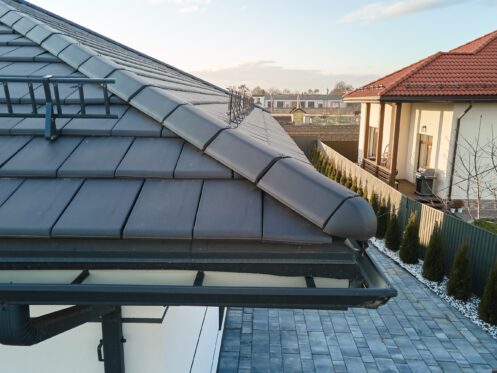
Dallas roofs experience more than just changes in temperature. They often go through multiple expansion and contraction cycles in a single 24-hour period, especially during winter cold fronts that arrive overnight and fade by midday. That constant movement stresses roofing systems in ways you never consider. This daily thermal tug-of-war quietly chips away at roof integrity, making temperature swings one of the most underestimated threats to roof longevity in North Texas.
Why Dallas Temperature Swings Are Hard on Roofs
Unlike regions with long, steady winters, Dallas experiences frequent temperature shifts. Roofing materials expand when temperatures rise and contract when temperatures drop. When this cycle happens repeatedly over short periods, materials don’t have time to stabilize.
Asphalt shingles, flashing, sealants, and even the roof decking respond differently to these changes. Over time, that repeated movement weakens fasteners, loosens seals, and creates tiny gaps where water can enter. Even brief overnight freezes followed by warm afternoons can accelerate wear, especially after rainy weather leaves moisture trapped in vulnerable areas.
How Roofing Materials React to Cold-to-Warm Cycles
Asphalt shingles in particular are sensitive to temperature changes. Cold weather makes them more brittle, increasing the risk of cracking or granule loss. When temperatures warm up again, those weakened shingles expand and flex, which can worsen existing damage.
Metal components such as flashing around chimneys, vents, and valleys also expand and contract with temperature changes. This movement can pull flashing slightly out of position or break down the sealants that keep water out. Once flashing loses its tight seal, water can seep beneath the roofing surface even during light rain.
Sealants and adhesives used around penetrations and roof edges face similar stress. Cold weather can cause them to harden and crack, while warm spells soften them again. Over time, this cycle reduces their ability to provide reliable roof protection.
Moisture, Freezing, and Hidden Damage
Moisture makes temperature swings even more damaging. Rainy fall weather and winter storms often leave moisture under shingles or along roof edges. When temperatures drop overnight, that moisture can freeze and expand.
This expansion pushes against shingles, underlayment, and decking, making small openings larger. When temperatures rise again, the ice melts, leaving behind gaps that allow even more water to enter during the next storm. This freeze-thaw effect doesn’t require heavy snow to cause damage. Even small amounts of trapped moisture can lead to long-term problems.
Signs of Roof Damage Caused by Temperature Fluctuations
Roof damage from temperature swings often develops quietly. You may not notice issues until weeks or months later. Common warning signs include shingles that appear cracked, curled, or missing granules. You may also see flashing that looks lifted or separated from the roof surface.
Inside the home, water stains on ceilings or walls can indicate slow leaks that began during earlier temperature changes. Peeling paint, bubbling drywall, or musty odors near exterior walls often point to moisture intrusion. In the attic, condensation buildup or damp insulation can signal poor roof protection caused by compromised materials. Higher heating or cooling bills during winter can also be a subtle sign. Gaps created by temperature-related roof damage allow heat to escape, forcing your HVAC system to work harder.
Why Roof Lifespan Suffers Without Proper Protection
Temperature swings don’t usually cause sudden roof failure. Instead, they shorten the roof’s lifespan by accelerating normal wear. Materials that should last decades may deteriorate much sooner when they constantly expand, contract, and absorb moisture. Proper roof protection helps slow this process. Quality underlayment, well-installed flashing, and proper ventilation reduce the impact of temperature changes. Ventilation helps regulate attic temperatures, which minimizes extreme temperature differences between the roof surface and the space below.
When to Schedule a Roof Inspection
Dallas homeowners sometimes wait until spring to think about roof inspections, but winter temperature swings make earlier evaluations worthwhile. Scheduling an inspection after periods of heavy rain followed by freezing nights can catch damage before it worsens.
An inspection is especially important if your roof is older, has experienced multiple seasons of severe weather, or shows any of the warning signs mentioned earlier. A professional inspection can identify loose shingles, compromised flashing, moisture damage, and ventilation issues that may not be visible from the ground.
Protect Your Roof from Dallas Temperature Swings
Taking action before visible damage appears is one of the most effective ways to protect your roof’s lifespan and your home’s value. A professional inspection can uncover early warning signs and help reinforce vulnerable areas before the next temperature swing hits. At Principle Roofing Solutions, our team has over 80 years of combined experience providing roofing services from repairs to replacements to the Dallas area. Schedule a roof inspection today and give your roof the protection it needs.
