
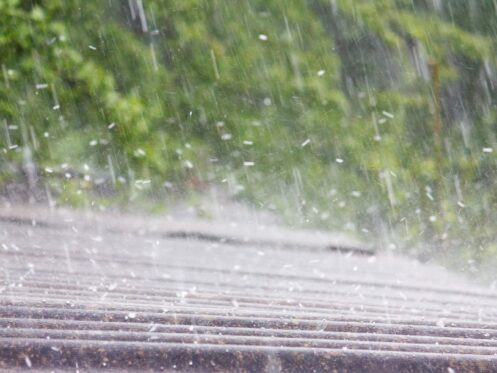
Ice dams might sound like a problem reserved for snowy states, yet homeowners across Dallas, including areas like Lakewood, Preston Hollow, and Oak Cliff, learned during the 2026 cold snap that these icy ridges can show up here too. When freezing rain or a rare stretch of frigid weather hits North Texas, you can still face damage from these stubborn formations. So what causes ice dams, and what can you do about them? Principle Roofing Solutions is here to walk you through the essentials so you can protect your house with the knowledge of a residential roofing pro.
What an Ice Dam Is and Why It’s a Roofing Problem
An ice dam forms when snow or ice melts on a warmer part of your roof and then refreezes near the eaves. This creates a ridge that traps water behind it. When that trapped moisture has nowhere to go, it can slip beneath shingles and lead to leaks inside your home. Over time, this can cause ice dam roof damage that affects both interior and exterior surfaces.
How Ice Dams Form on Homes
Ice dams develop because of uneven temperatures across your roof. Warm air escaping from your attic heats the upper sections while the edges stay cold. As melting occurs higher up and refreezes near the bottom, a repeating cycle begins that encourages water to pool and eventually find its way inside.
Causes of Ice Dams
Several factors can make your house more vulnerable to these issues.
Poor Attic Insulation
When insulation is lacking, warm air rises into the attic and heats the roof deck. This uneven warmth melts snow or ice in patches, which then refreezes at the edges.
Inadequate Ventilation
If your attic doesn’t have proper airflow, heat becomes trapped. This trapped warmth raises roof temperatures and contributes to the melt-and-refreeze pattern that leads to ice dams. For help addressing these issues, roof repairs and maintenance can support your long-term care plan.
Temperature Swings and Freezing Rain
North Texas often experiences sudden temperature drops, and freezing rain roof damage can occur when moisture coats shingles and solidifies quickly. These conditions create a perfect setup for ice dams to form.
Clogged Gutters and Roof Edges
Gutters filled with leaves or debris prevent water from draining. When this trapped moisture freezes at the roofline, it increases the likelihood of ice buildup.
Warning Signs of Ice Dam Damage
There are several ice dam warning signs that can indicate trouble. You may notice:
- Ice collecting along roof edges
- Water stains on ceilings or walls
- Peeling interior paint
- Warped soffits
- Unexplained winter roof leaks
If you spot any of these symptoms, roof inspections can help you understand what’s happening.
What Homeowners Should Not Do
It can be tempting to break apart ice or chip away at frozen sections, yet using sharp tools can harm shingles and create safety risks. Applying heat incorrectly can also damage roofing materials or cause sudden cracking. Avoid DIY removal attempts that may worsen the situation.
When to Call Principle Roofing Solutions
If you notice ice buildup, moisture in the attic, or any signs of leaks, it’s wise to bring in a professional. Principle Roofing Solutions is a trusted Dallas roofing partner with experience handling Dallas winter roof problems. Even short cold spells can lead to ice dam damage, and proactive roof care is the best way to prevent leaks and long-term structural issues.
A small issue can turn into a costly repair if ignored, so acting early helps protect your house. Request service today and get reliable help from a team that understands how to prevent ice dams in neighborhoods from Deep Ellum to the Bishop Arts District.
