
Dallas winters may seem mild compared to northern climates, but that doesn’t mean your roof gets a free pass. In fact, the combination of rainy fall weather, sudden temperature drops, and early spring storms creates conditions where roof damage can quietly develop and go unnoticed. Since the damage isn’t always dramatic or immediate, you may miss the warning signs until leaks or structural issues appear inside your home.
Why Dallas Winters Are Tougher on Roofs Than They Appear
Unlike regions with consistent cold, Dallas weather fluctuates. A warm afternoon can quickly turn into a freezing night, especially when cold fronts pass through. Extreme temperature swings cause roofing materials to repeatedly expand and contract, stressing shingles, flashing, and sealants.
Add in heavy autumn rain and spring storms, and moisture often finds its way into small gaps. When temperatures drop overnight, trapped water can freeze and expand, worsening minor vulnerabilities. Even without snow accumulation, freeze-thaw cycles take a toll on roofing systems across North Texas.
Cold Weather Causes Subtle Roof Damage
Many cold-weather roofing problems develop slowly and remain hidden until water intrusion becomes obvious. Shingles are a common starting point. Cold temperatures can make asphalt shingles brittle, increasing the risk of cracking or granule loss. Once shingles lose their protective surface, they deteriorate faster and absorb more moisture.
Flashing around chimneys, vents, and valleys also becomes vulnerable in winter. Metal expands and contracts with temperature changes, while sealants dry out and crack.
When flashing shifts even slightly, it creates pathways for water to seep beneath the roof. Underlayment damage is another overlooked issue. If water penetrates damaged shingles during winter rain, it can saturate the underlayment. Over time, this weakens the roof deck and reduces the system’s ability to shed water effectively.
Interior Warning Signs Homeowners Often Miss
Cold-weather roof damage doesn’t always show up as an obvious leak. Instead, the first clues often appear inside the home. Water stains on ceilings or walls may appear faint at first, especially after heavy rain. These marks can darken over time as moisture continues to penetrate the roof system. Peeling paint, bubbling drywall, or warped trim near exterior walls also points to hidden moisture problems.
In attics, cold air infiltration can cause condensation buildup. If warm indoor air meets cold roof surfaces, moisture forms and settles into insulation or wood framing. This can lead to mold growth or wood rot long before a homeowner notices dripping water. Higher energy bills during winter may also signal roof issues. Gaps created by damaged shingles or flashing allow heat to escape, forcing your heating system to work harder to maintain comfort.
Gutters and Drainage Problems Made Worse by Winter
Gutters are important when it comes to preventing roof damage, yet they often get overlooked during colder months. Fall leaves, debris, and granules washed from shingles can clog gutters before winter arrives. When water can’t drain properly, it backs up under the roof edge and soaks the fascia and decking. Even brief freezes can cause trapped water to expand, worsening wood damage along roof edges.
Why Waiting Until Spring Can Be Risky
You might delay roof inspections until spring, assuming winter damage will be obvious. Unfortunately, by the time spring storms arrive, small issues may already have progressed to larger leaks or structural deterioration. Dallas spring weather brings heavy rain, hail, and strong winds. A roof that has endured winter expansion, contraction, and moisture intrusion is far more likely to fail during these storms. What could have been a simple winter repair often becomes a more expensive project by late spring.
When to Schedule a Roof Inspection
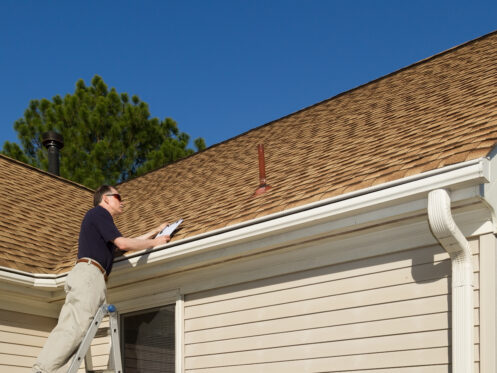
A professional roof inspection is worth scheduling if your roof is more than a few years old or if it has endured multiple seasons of severe weather. Inspections are especially important after prolonged rain, sudden freezes, or noticeable temperature swings. Our team can identify cracked shingles, loose flashing, soft decking, and drainage problems before they cause interior damage. Inspections help you plan roof repairs proactively rather than react to emergencies.
Protect Your Home Before Damage Escalates
Cold-weather roof damage in Dallas often hides in plain sight. By staying alert to subtle warning signs and scheduling timely inspections, you can avoid costly repairs and extend the life of your roof.
At Principle Roofing Solutions, our team has over 80 years of combined experience repairing and replacing roofs in the Dallas area. Contact us today to schedule an inspection.
